
 TRIAL LESSON
Pianists, Piano Lessons
Moura Lympany in London: The Wartime Pianist Whose Clarity Still Speaks to Today’s Students

May
Moura Lympany: London Wartime Pianist and Lessons for Students
Moura Lympany in London: The Wartime Pianist Whose Clarity Still Speaks to Today’s Students
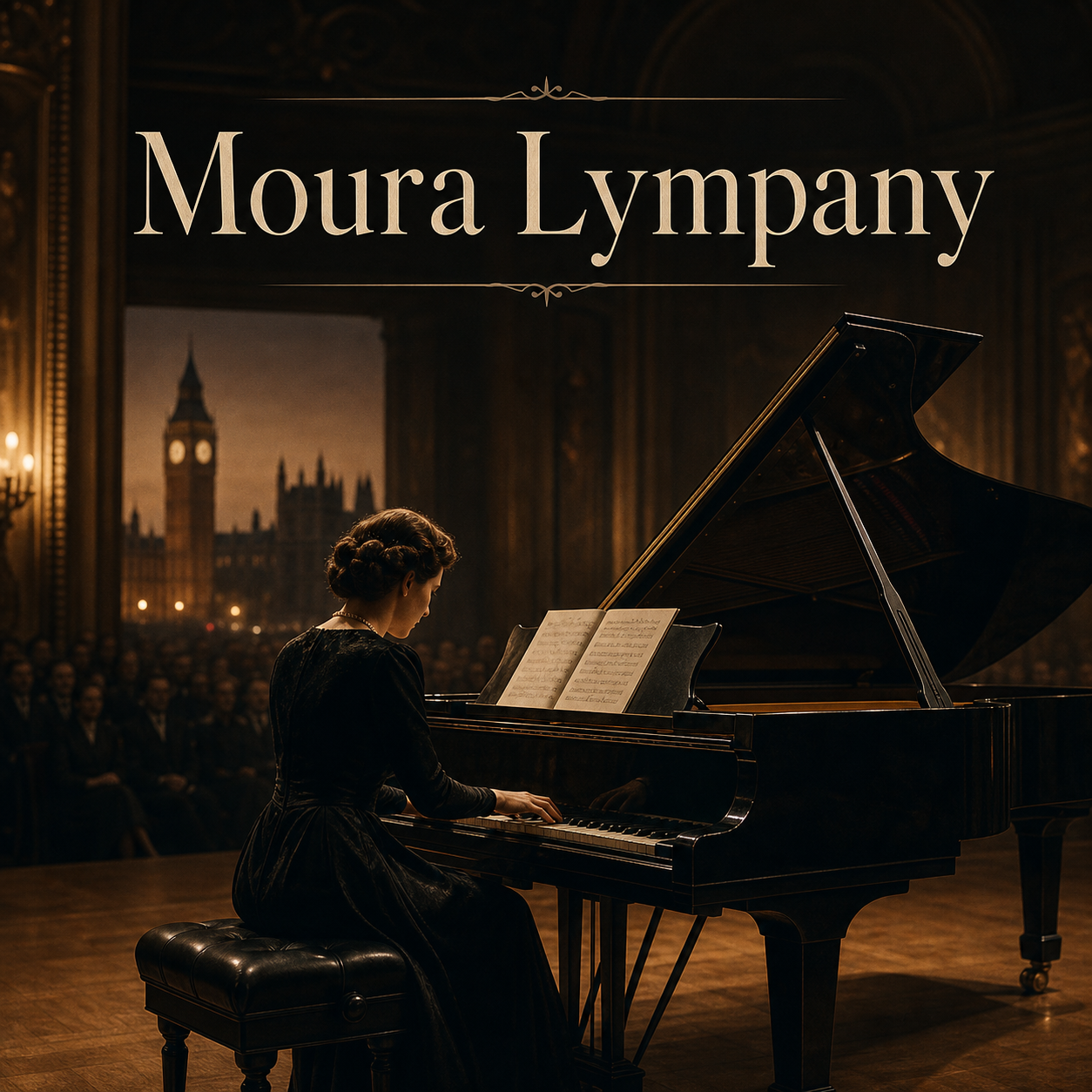
Moura Lympany belongs to the generation of British pianists whose artistry was tested in public, under pressure, and before audiences who understood that music could steady a city. Her career cannot be reduced to a single wartime image, but London gives us a useful frame: a young pianist of formidable discipline, a concert culture strained by war, and a public appetite for playing that was clear, unsentimental and humane.
For today’s piano students, Lympany is not merely a name in a discography. She is a study in poise: how to project without forcing, how to keep line and texture intelligible in large Romantic writing, and how to treat virtuosity as a servant of musical argument. That makes her particularly relevant to serious adult learners and advanced students at a London school such as WKMT, where repertoire coaching is most valuable when it joins technique to historical listening.
Quick Facts and Why She Matters
- Born: Mary Gertrude Johnstone, Saltash, Cornwall, 18 August 1916.
- Died: 28 March 2005, aged 88.
- Known for: a major international concert career, championing demanding repertoire, and a celebrated association with Khachaturian’s Piano Concerto.
- Honours: CBE and later DBE, reflecting her standing in British musical life.
- Student value: clarity, rhythmic control, tone discipline, and structural confidence in large-scale repertoire.
Early Life and Musical Training
Lympany was born in Cornwall and emerged quickly as a pianist of unusual seriousness. The details of a prodigious childhood can sometimes encourage lazy mythology, but her mature playing suggests something more useful than prodigy: a mind trained to hear structure. Even in repertoire that invites excess, the best accounts of her playing emphasise lucidity, control and a refusal to blur the rhetoric of the score.
That quality is central for students. Many pianists learn expressive vocabulary before they can manage musical grammar. Lympany’s example points in the opposite direction: find the line, understand the harmony, keep the sonority clean, and let drama arise from control. This is why a historical pianist can still be pedagogically alive. She does not offer a set of exercises; she offers a standard of listening.
London and the Wartime Career
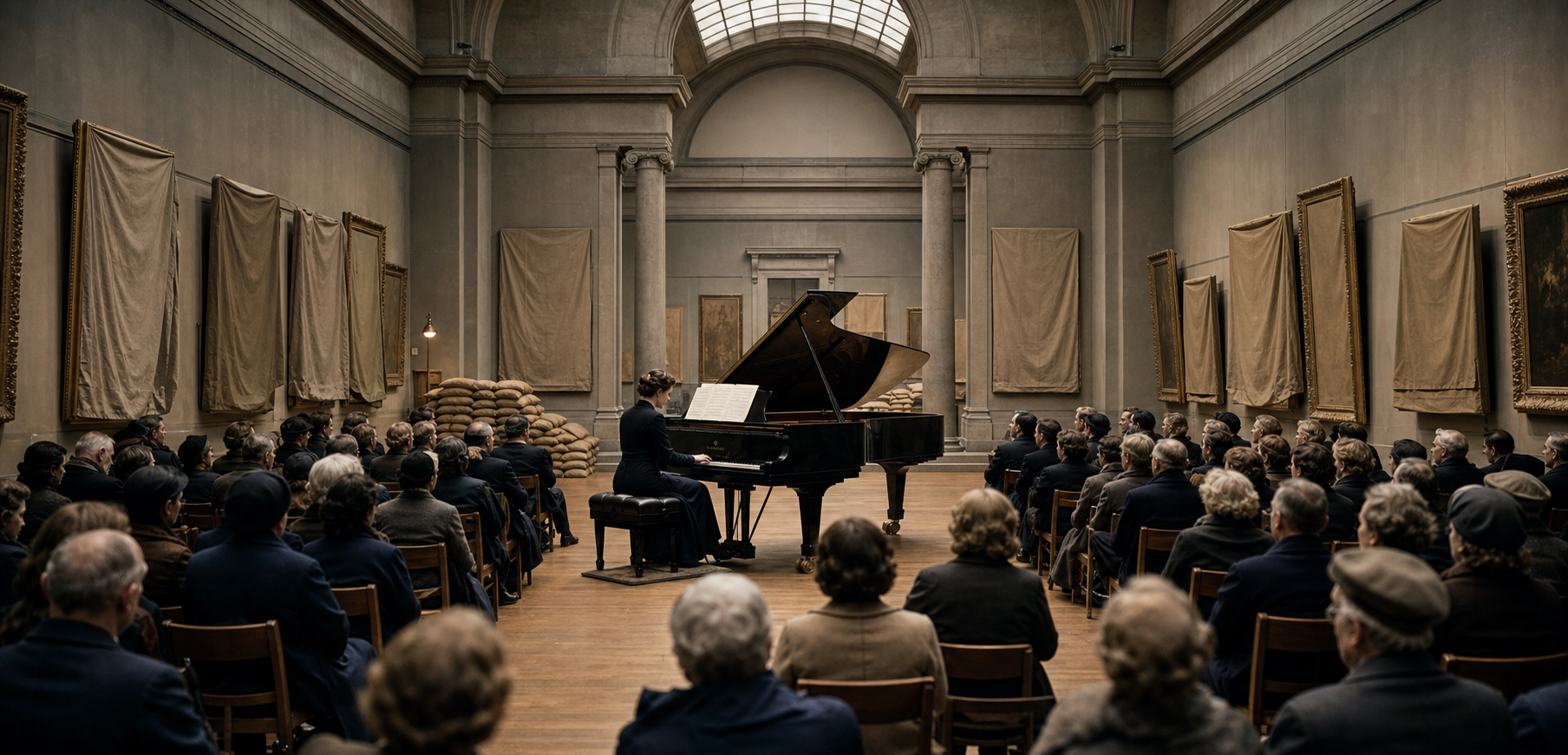
London during the Second World War produced one of the most distinctive concert cultures in modern British history. The National Gallery lunchtime concerts, associated above all with Myra Hess, became a symbol of civic steadiness; broader BBC, charity and concert circuits kept music in public life when the city’s normal rhythms were fractured. Lympany’s wartime prominence should be read against that atmosphere: audiences wanted brilliance, but they also needed concentration, proportion and nerve.
Her London relevance is therefore not only geographic. It lies in the way British pianism became a form of public address. The pianist was not simply displaying talent; she was speaking to listeners under conditions in which attention itself had moral weight. That context helps explain why clarity could sound courageous. A phrase cleanly shaped, a bass line kept firm, a crescendo held in reserve until the architecture required it: these are musical choices, but they also belong to a culture of restraint.
For WKMT’s readers, this is where biography becomes useful. A London student studying advanced repertoire often faces the same temptation in miniature: to dramatise before the score is ready. Lympany’s example argues for exactness first. Only then does rhetoric carry.
The lesson is not to imitate Lympany’s tone literally. It is to ask why her clarity travelled: because she made structure audible under pressure.
Signature Repertoire and Recordings
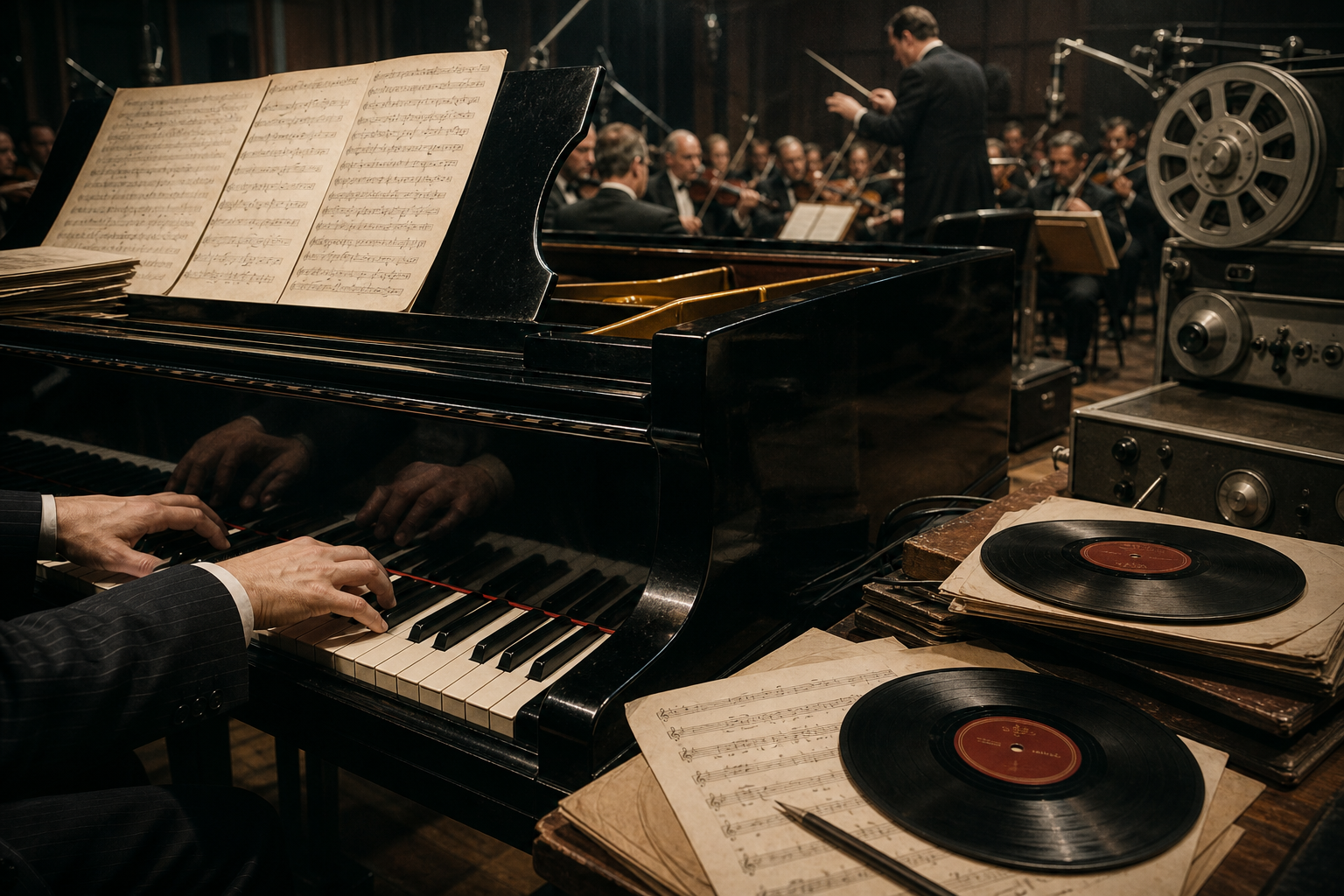
Lympany’s name is closely tied to Aram Khachaturian’s Piano Concerto, a work whose motor energy and orchestral colour can overwhelm less organised pianists. Her association with the concerto helped place her in the front rank of performers willing to engage with vivid twentieth-century repertoire, not simply with the inherited Romantic canon. This matters: a pianist’s reputation is shaped not only by how beautifully she plays familiar works, but by what she is willing to make convincing.
Her recording legacy also invites a particular kind of listening. In Rachmaninoff, listen for how melody is supported rather than smothered. In Chopin or Liszt, notice whether passagework becomes a wash of brilliance or remains part of a larger phrase. In concerto playing, attend to entries after orchestral tuttis: the best pianists do not merely re-enter; they alter the musical temperature.
Listening notes for students: choose two contrasting recordings and write down only what you can hear. Is the melody above the accompaniment? Are inner parts audible? Does tempo serve articulation? Does pedal enrich harmony or hide it? These questions keep listening analytical without reducing it to a mechanical checklist.
What Modern Students Can Learn from Lympany’s Playing
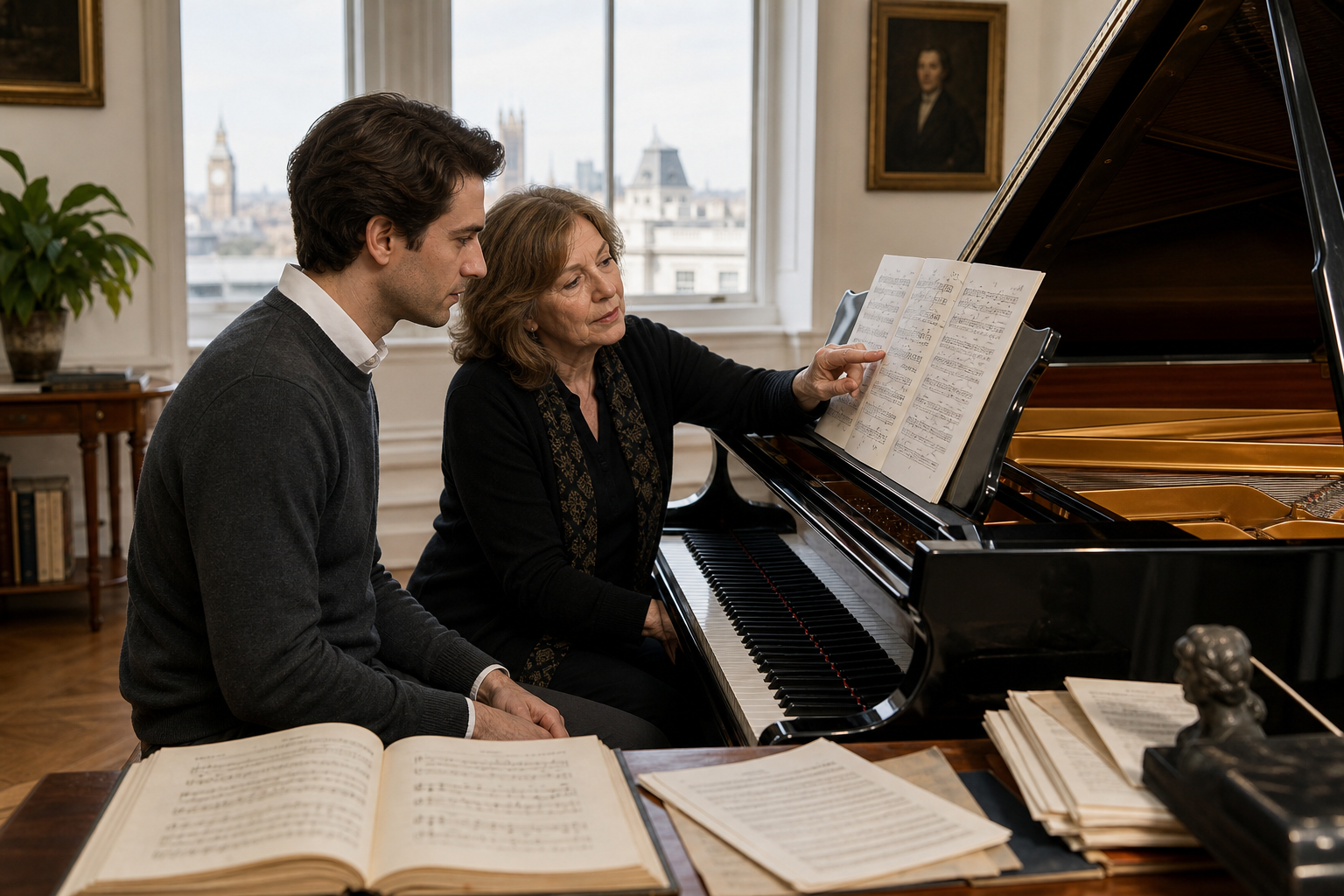
The first lesson is articulation. Clarity is not dryness; it is the condition that allows expression to be understood. A student who cannot distinguish the shape of a run, the weight of a chord, or the destination of a phrase has not yet earned greater speed or volume. Lympany’s artistry points towards articulation as a moral habit: say what the score says, then decide how far to colour it.
The second lesson is voicing. British pianism at its best often favours lucid texture over indulgent haze. In large Romantic works, that means the left hand must be organised with almost orchestral awareness. Bass is not background. Inner harmony is not filler. Melody is not always the top note. These distinctions are especially valuable for adult learners returning to serious study, because they transform practice from repetition into listening.
The third lesson is repertoire courage. Lympany’s career reminds students that musical identity is partly built by the works one chooses to study seriously. A pianist who only follows comfortable taste may improve, but will rarely develop authority. Advanced coaching should therefore include repertoire that stretches style, stamina and historical imagination.
Legacy in London: Archives, Festivals and Where to Hear Her Today
Lympany’s legacy survives through recordings, archival holdings and the continued interest of pianists who value British twentieth-century performance history. The University of Maryland’s International Piano Archives records a Moura Lympany collection, a reminder that performance history is preserved not only in released discs but in papers, programmes and documentary traces. Decca/Eloquence and other catalogue material have also kept parts of her recorded profile available for modern listeners.
London audiences can approach her legacy indirectly through the city’s continuing piano culture: Wigmore Hall recitals, Southbank and Barbican programming, BBC archive references, and specialist reissues. For students, the practical route is simple: listen, compare, and bring questions into the lesson. Historical pianists are most useful when they provoke sharper hearing.
Practical Resources and Further Reading
Begin with biographical outlines, then move quickly to recordings and archive references. Wikipedia and local history pages provide orientation, but the more serious value lies in institutional archive descriptions, label notes and national obituaries. Treat every anecdote carefully. Venue claims, broadcast details and premiere associations should be checked against primary or reputable secondary sources before being used in academic or public programme notes.
FAQs on Moura Lympany
Who was Moura Lympany? Moura Lympany was a British concert pianist, born Mary Gertrude Johnstone, whose career included major international performances, recordings and honours including DBE.
Why is Moura Lympany important for piano students? Her playing is a valuable model of clarity, structural control and repertoire seriousness, especially for advanced students working on Romantic and twentieth-century music.
What should I listen for in Lympany recordings? Listen for clean articulation, firm rhythmic control, balanced voicing, and the way large gestures remain intelligible rather than merely loud or fast.
Study Repertoire with Historical Ears
Students who want to connect advanced repertoire with serious listening can begin with WKMT’s London piano lessons and ask about repertoire consultation, adult advanced coaching, and performance-led study.
Sources
- University of Maryland, International Piano Archives: Moura Lympany collection, archives.lib.umd.edu. Last checked: 2026-05-19.
- The Guardian obituary coverage for Moura Lympany, theguardian.com. Last checked: 2026-05-19.
- Saltash local history profile: Dame Moura Lympany, saltash.org. Last checked: 2026-05-19.
- Decca / Eloquence catalogue references for Moura Lympany recordings, eloquenceclassics.com. Last checked: 2026-05-19.
- Aram Khachaturian Piano Concerto reference overview, boosey.com. Last checked: 2026-05-19.