
 TRIAL LESSON
Pianists, Piano Lessons
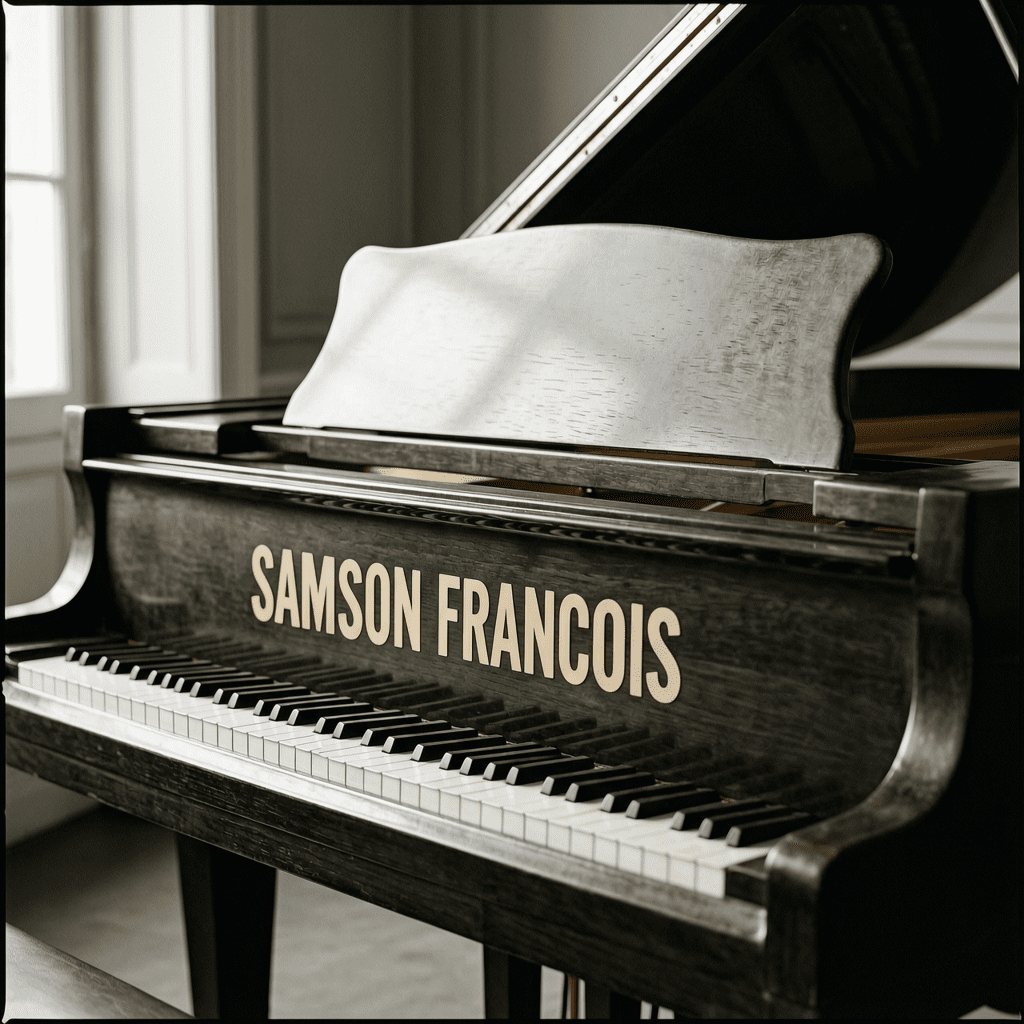
Samson François in London: The Curious After-Hours Habits That Shaped His Iconic Sound
Apr
Samson Francois in London – Complete Guide
Samson François in London: The Curious After‑Hours Habits That Shaped His Iconic Sound
A London-focused portrait of the French virtuoso—his post-war British appearances, critical reception, nocturnal mythology, and the recordings that keep his sound vivid for today’s listeners.
Intro
When Samson François walked onto a London platform in the late 1940s, he arrived with two reputations already in tow: a formidable young virtuoso of the French school, and a nocturnal figure who treated sleep as an optional extra. London critics would quickly discover both. In May 1949, his official UK debut at Wigmore Hall drew attention not only for its audacity but for its extremes of colour and volume—qualities that would become inseparable from his public image in Britain.
This is not a story of tidy career progression. François (1924–1970) played Chopin, Debussy and Ravel with a poetic instinct that could feel improvised in the moment, and he lived with much the same disregard for routine. Nicknamed “Samson de la nuit” for his habit of roaming Paris jazz clubs until dawn, he brought that after‑hours energy into the concert hall—sometimes to the delight of audiences, sometimes to the alarm of purists. What remains, in London as elsewhere, is a legacy of recordings and broadcast traces that still sound oddly alive.
Focal idea
In London, François was heard not simply as a French specialist, but as a pianist whose extremes—whisper and clang—made the familiar feel newly risky.
Quick Biography of Samson Francois
Early life and training
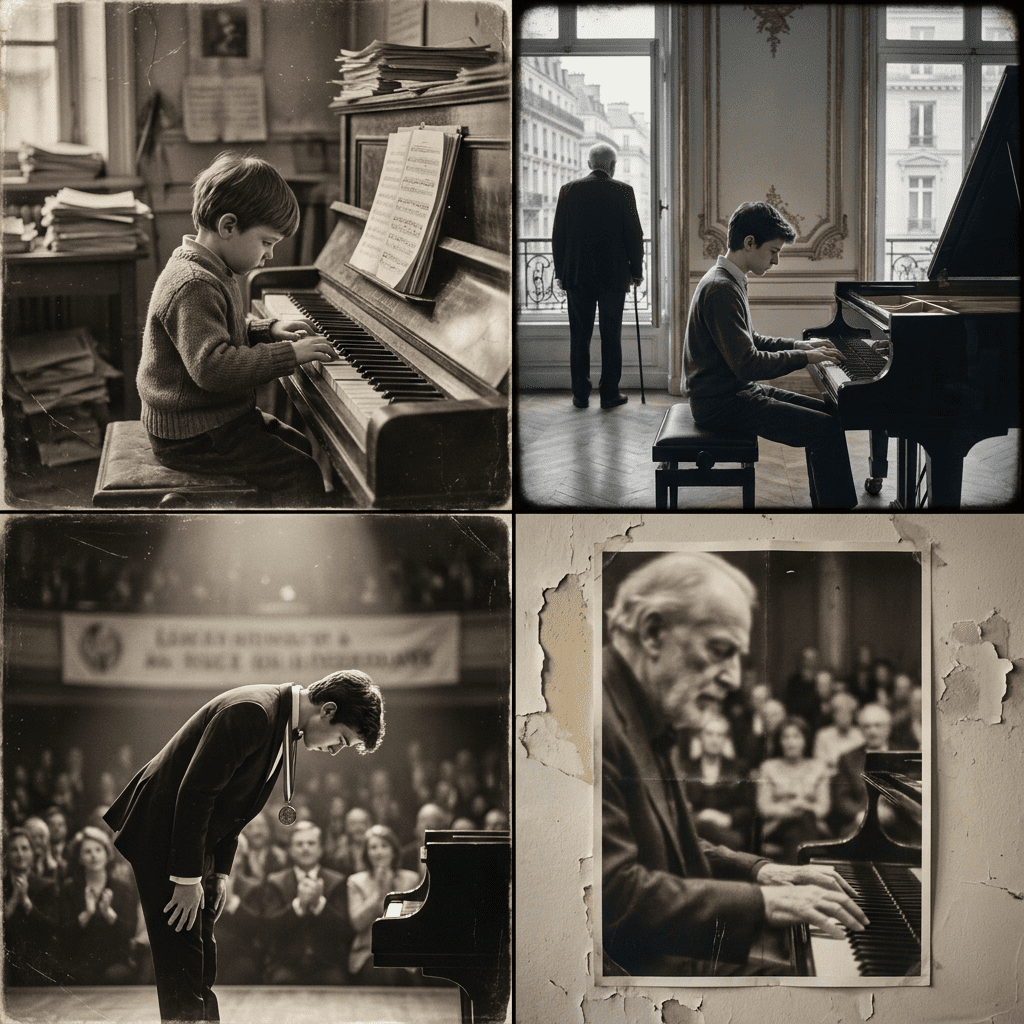
François was born in Frankfurt in 1924 while his father served at the French consulate. He was a child prodigy who studied in Belgrade, Nice and Paris, winning first prize at the Nice Conservatoire at 11, and later studying at Marguerite Long’s Paris Conservatoire under Yvonne Lefébure. His early career accelerated quickly: in 1941 he made his Paris debut with Liszt’s First Concerto, and in 1943 he won the inaugural Long‑Thibaud competition. Alfred Cortot admired the teenager and arranged for him to study in Paris—reportedly finding François “almost impossible to teach”.
Repertoire and stylistic trademarks
By the late 1940s François was touring Europe as a piano virtuoso, building a reputation for passionate, technically brilliant playing and stubbornly individual interpretations. A later biography quoted by Warner describes him as “the epitome of what one thought a romantic pianist should be – confident, dashing, poetic, moody, passionate, tender and temperamental”. His core repertoire, in recital and on disc, returned repeatedly to Chopin (especially the Waltzes and Études), Debussy, Ravel and Liszt.
London would soon learn that his temperament came with a price. Critics could be sharply divided: some found his playing “over‑sentimental” or “over‑violent”. Yet even sceptics rarely denied the technique, the intensity, and the odd sense that anything might happen in the next bar. In the 1950s he toured the U.S., the USSR and Japan; a New York critic hailed a 1959 Carnegie Hall recital as “one of the most beautiful concerts in recent memory”.
His lifestyle was famously hard on the body. He suffered a heart attack on stage in 1968 and died of a second one in Paris in 1970, aged 46. By then he had recorded prolifically for Pathé‑Marconi (EMI), leaving a discography that later became legendary. Warner Classics notes that “today, more than 40 years after his premature death, a new generation of listeners has come to appreciate the qualities that made him one of the great pianists of the 20th century”.
Samson François and Post‑War London
Documented London performances and dates (archive guide)
François first appeared in Britain during the war, with a 1945 recital at the Institut Français in London. His official UK debut followed in May 1949 at Wigmore Hall. That appearance mattered: it placed him in a post‑war London concert scene hungry for continental talent and newly attentive to French repertoire beyond the familiar salon pieces.
The 1949 concert also brought him to the BBC’s attention, and he soon broadcast live recitals on BBC Radio. For listeners today, those broadcast traces—alongside the press record—are central to any serious London‑based exploration of Samson Francois: they show how quickly he became not merely a visiting artist but a recognisable presence in Britain’s musical conversation.
Press reception: what London critics heard
London reviewers responded, first, to the sound. A Times review of the 1949 Wigmore recital, quoted in a later MusicWeb retrospective, caught the essentials with memorable bluntness: “his pianissimo playing is exquisite, his fortissimo painful, and there is little gradation between them”. It is hard to imagine a clearer early diagnosis of François’s stage personality in Britain: the voluptuous whisper, the unfiltered clang, and the deliberate refusal to smooth the edges.
“His pianissimo playing is exquisite, his fortissimo painful, and there is little gradation between them.”
That volatility was both attraction and obstacle. Some London commentary worried that wayward timing could undermine structural clarity. Yet what repeatedly pulled listeners back was the sense of imagination at work—an “improvisatory touch”, as later writing would frame it, allied to an exotic stage presence that made even familiar pieces sound newly risky.
Venues, audiences, and the French repertoire London wanted
In the 1950s and early 1960s François returned to Wigmore Hall and appeared at larger venues such as the Royal Festival Hall. Photographs document a Festival Hall recital in April 1961, in a period when he often played Ravel, Liszt and Chopin. London critics and audiences were particularly receptive to his French music. Gramophone’s Rob Cowan called François’s Debussy recordings “especially memorable”, singling out La fille aux cheveux de lin and La cathédrale engloutie. It is telling that the praise lands not on surface atmosphere but on specific pieces where touch and pacing expose a pianist’s values.
“From such impeccable credentials to France’s enfant terrible – a pianist who was part genius and part wild, an untutored phoenix”.
That character sketch, published in International Piano, captures how London tended to frame him: not just a French specialist, but a Romantic throwback—part cultivated, part combustible. For a city that prizes both discipline and personality, François offered a complex bargain. You accepted the extremes because the best moments carried an electricity that polite correctness cannot manufacture.
The After‑Hours Habits
Jazz, improvisation and late‑night clubs
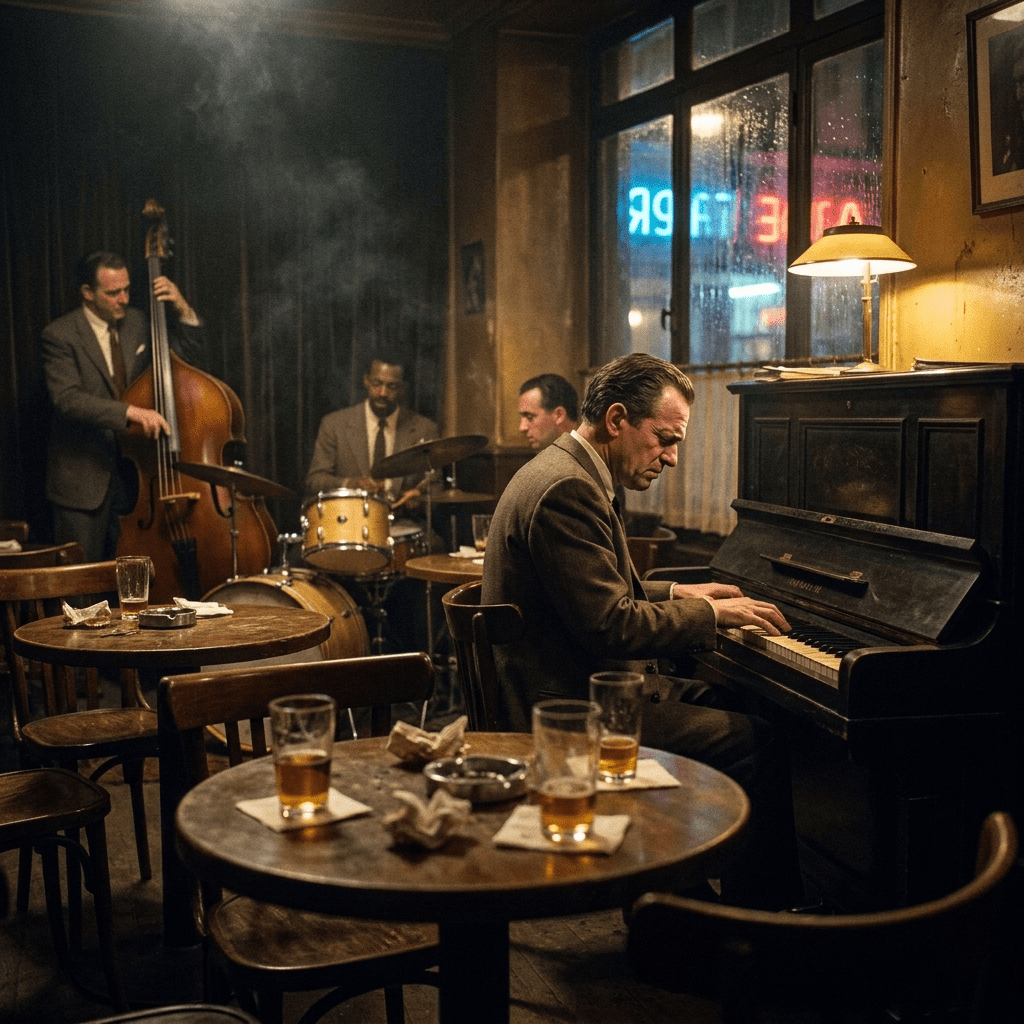
François’s nightlife was not incidental gossip; it was part of his public mythology, and it shaped the way listeners interpreted his musical choices. Warner’s official biography notes that he was “almost as famous for spending his early morning hours in Parisian jazz clubs as he was for playing Ravel’s Gaspard de la nuit. The nickname “Samson de la nuit” was more than a clever pun: it suggested a musician whose best hours began when respectable society went home.
He loved jazz and spontaneity, and he would play through the night at parties and clubs. One documented episode places him in 1967 sitting in with the jazz pianist Art Simmons in Paris. His aphoristic resistance to dutiful literalism—“never feel obliged to play the next note”, and his view of Beethoven as “boring”—fits the same pattern: an artist who prized freedom, risk, and the sense of invention occurring in real time.
How nocturnal routines fed his Chopin and Ravel
We do not have direct London anecdotes in the supplied record of his late‑night behaviour in Britain, and it is worth keeping that boundary clear. Still, his biographers suggest he carried the same late‑night aura across borders. In practical musical terms, the connection is not hard to hear. His Chopin rubato often feels closer to a singer leaning into a phrase than a metronome‑bound reading; his Ravel can sound less like “French refinement” than like a high‑wire act performed under bright lights.
London audiences—accustomed to a certain English restraint—were confronted with a pianist who seemed to treat the score as a living script rather than a set of rules. Even when reviewers worried about control at louder dynamics, they were responding to an aesthetic choice as much as a technical one. François, in other words, played as if the night were still in his system.
Listening Guide & Discography Highlights
Five essential recordings (and what to listen for)
François left a large recorded legacy for Pathé‑Marconi (EMI), much of it now circulating in modern remasters. For UK listeners exploring samson francois for the first time—or returning with sharper ears—these five recordings offer a reliable map. Each suggests a different facet of his temperament: intimacy, sparkle, menace, lyric tenderness, and bravura.
- Chopin – 14 Waltzes (Warner Classics, 2012 remaster of 1964 recordings). François’s hallmark Chopin album, prized for intimate rubato. Listening cue: in the Waltz in E♭ Op. 18 (“Grande valse brillante”), listen to how he delays the melody at each return—expressive, slightly provocative, but never casual.
- Debussy – Children’s Corner et al. (EMI/Warner). A collection including Children’s Corner and Images. Listening cue: in “Doctor Gradus ad Parnassum”, focus on the crisp articulation; in “Golliwog’s Cakewalk”, note the graceful lilt that stops short of caricature.
- Ravel – Gaspard de la nuit (EMI, 1963). A studio reading famed for colour and intensity. Listening cue: in “Scarbo”, hear how he makes the hammer strokes tower while keeping rapid double‑notes clear—panic and precision, side by side.
- Fauré – Three Nocturnes & Impromptu (EMI Classics box set, 1970). A glimpse of François at his most inward. Listening cue: in Nocturne No. 2 in B major, notice the balance between a singing line and plush accompaniment, especially in the final pages.
- Liszt – Hungarian Rhapsody No. 2 (HMV/EMI, 1956 recital). François recorded all Liszt’s Hungarian Rhapsodies; this is a calling card. Listening cue: the opening dance rhythms should feel playful, not heavy; when the chromatic arpeggios arrive, he walks the line between elegance and fire.
Reissues and UK availability
All five items above are described in the supplied discography notes as available on CD or streaming, with availability last checked in April 2026 against official label catalogues or major retailers. For collectors, the label trail matters: many of these performances circulated first on Parlophone/EMI before reappearing in Warner-era reissues. If you care about sound and provenance, compare remaster dates and editions rather than assuming every upload is identical.
Listening drill (optional)
Pick one Chopin waltz and one Debussy miniature. Play each twice: first for line (melody and breathing), then for colour (pedal, attack, and dynamic distance). Note where François’s “after‑hours” freedom feels like communication rather than indulgence.
Influence, Legacy and Why London Still Cares
François persists because he represents a particular kind of artistic argument: that fidelity to style can coexist with personal risk. His playing is often described as a “bridge” between 19th‑century Romantic tradition and mid‑20th‑century modernity. In Chopin and Liszt he can sound vigorous and story‑driven; in Debussy and Ravel he offers colour without mere perfume, shaping phrases with a sensibility that sometimes borrows from jazz-like swing.
In London, that combination still has a market—not only among collectors but among teachers and students who want an example of rubato that communicates rather than decorates. Gramophone’s continued attention to his Debussy, alongside reissues now largely under Warner Classics, keeps the name in circulation. BBC Radio reruns of old broadcasts extend the afterlife further. The result is a legacy that remains audible in the city’s listening habits: curious, argumentative, and not especially interested in polite consensus.
Sources, Archives & Where to Read/Listen Next
If you want to follow François’s London thread with discipline, start with archives that preserve what concerts and reviews tend to lose: dates, programmes, and broadcast documentation. The British Library’s sound holdings and the National Sound Archive are cited in the supplied research as places to consult historic radio broadcasts and interviews; the BBC (including Radio 3 programme archives) is noted as a further route into his 1950s recitals. For press reception, the Times archives, The Guardian, Gramophone, and Classical Music are all named as repositories of reviews and obituaries.
For students and pianists drawn to François’s French colours and Chopin rubato, WKMT London’s teaching and performance culture offers a practical next step. Explore WKMT London for lessons and masterclasses, and consider joining our mailing list to keep track of concerts and lectures as they are announced.
Conclusion & CTA on Samson Francois in London
Samson François gave London a particular kind of post‑war thrill: a pianist with first‑rate training who still sounded as if he might swerve at any moment. The Wigmore debut, the BBC broadcasts, the Festival Hall appearances, and the long shadow of the recordings all point to the same lesson—his artistry was not neat, but it was rarely routine.
If you would like to bring some of that freedom into your own playing—especially in Chopin rubato or French impressionism—WKMT London offers private tuition and masterclasses shaped by performance tradition rather than academic habit. Visit WKMT Blog to continue the journey.
Study Chopin rubato & French colour with WKMT London
If François’s mix of freedom and control speaks to you, explore structured coaching that keeps the imagination alive while building technique you can trust.