
 TRIAL LESSON
Uncategorized
Handel House London: WKMT’s Pianist Guide to a Composer’s Home and Practice Lessons for Adult Learners
Oct
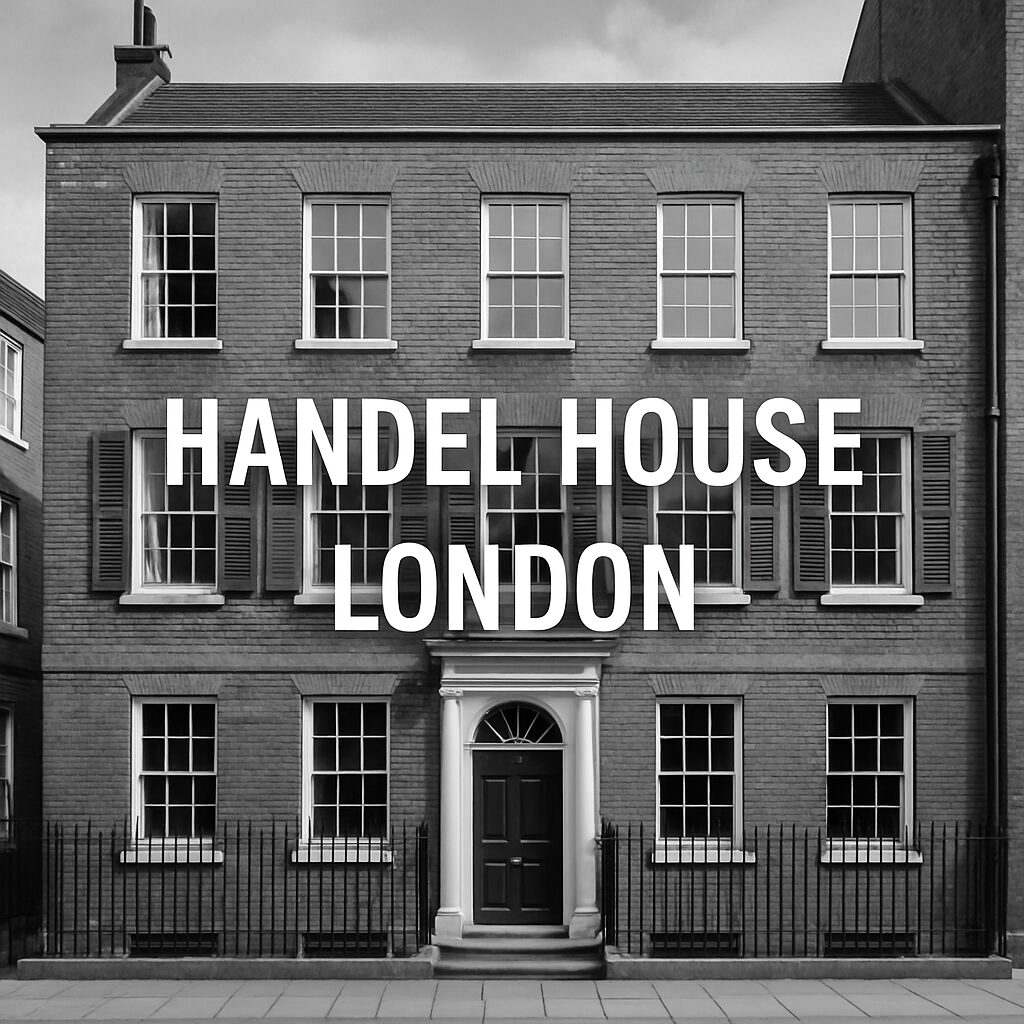
Handel House London — WKMT’s Guide to Visiting 25 Brook Street and Practice‑Focused Cultural Insight
“Step through a red Mayfair door and into Handel’s working life — then carry the rooms back to your own keyboard practice.”
A creaking wooden stair and a burst of harpsichord colour set you down in the 18th century. If time is tight, here’s what matters for Handel House London and how to make the most of it:
- Handel’s London home: 25 Brook Street, Mayfair. Handel lived and worked here from 1723 to 1759. Today it is the Handel & Hendrix in London museum, uniting Handel’s restored rooms with Jimi Hendrix’s 1969 flat next door.
- What to see: Handel’s rehearsal room, bedchamber, and the restored kitchen, plus rotating displays from the Byrne Collection of 18th‑century Handel items. A working replica harpsichord is used for demonstrations, and an immersive Messiah sound experience is often in situ.
- Visiting tips: Open Wed–Sun, 10:00–17:00, last entry 16:00; closed Mon–Tue (last checked: 2025‑10‑13). Standard adult £14.50; concessions available. Book online for busy days. Fully wheelchair accessible via lift. Nearest Tube: Bond Street (~5 minutes, step‑free) and Oxford Circus (~5 minutes, stairs).
- Practice inspiration: Handel’s keyboard world was pedal‑free. Use the seven short drills below to sharpen articulation, ornaments, rhythm and phrasing on a modern piano.
- Next steps: Keep the momentum with structured coaching. WKMT’s adult‑learner lessons fold Baroque touch, ornamentation and interpretation into weekly routines.
Why 25 Brook Street matters: history & London context
A red Mayfair door, the clatter of wheels on cobbles, and a 38‑year‑old composer moving into his first home. In 1723, George Frideric Handel settled at 25 Brook Street and remained for 36 years, composing and rehearsing the works that defined his London career. A German‑born musician who became a British citizen in 1727, Handel had already secured royal favour; by the early 1720s he was a central figure in the capital’s musical life.
Brook Street connected Hanover Square to Grosvenor Square—new and fashionable addresses in Georgian London. Staying put for decades was unusual for an opera composer, yet Handel made this townhouse his base until his death in 1759. He walked to theatres and churches, received patrons, sold tickets and scores from his door, and rehearsed singers in his first‑floor rooms. Accounts describe crowded run‑throughs of Messiah, the composer directing from the keyboard, then urging players not to catch a chill after their exertions.
The locality mattered. The King’s Theatre in the Haymarket lay within reach, royal sites weren’t far, and St George’s, Hanover Square—Handel’s parish church—anchored his worship and benefit concerts. London honoured him at the end with burial in Westminster Abbey; the beginning and middle of that story were Brook Street—four walls where he composed, taught and innovated, reshaping the city’s musical culture.
Inside Handel & Hendrix House — rooms, highlights and what to listen for
Sunlight lifts off small‑paned windows; the oak floor creaks underfoot. Tip: pause in each room and listen to the room itself. The acoustic tells you how these spaces held music.
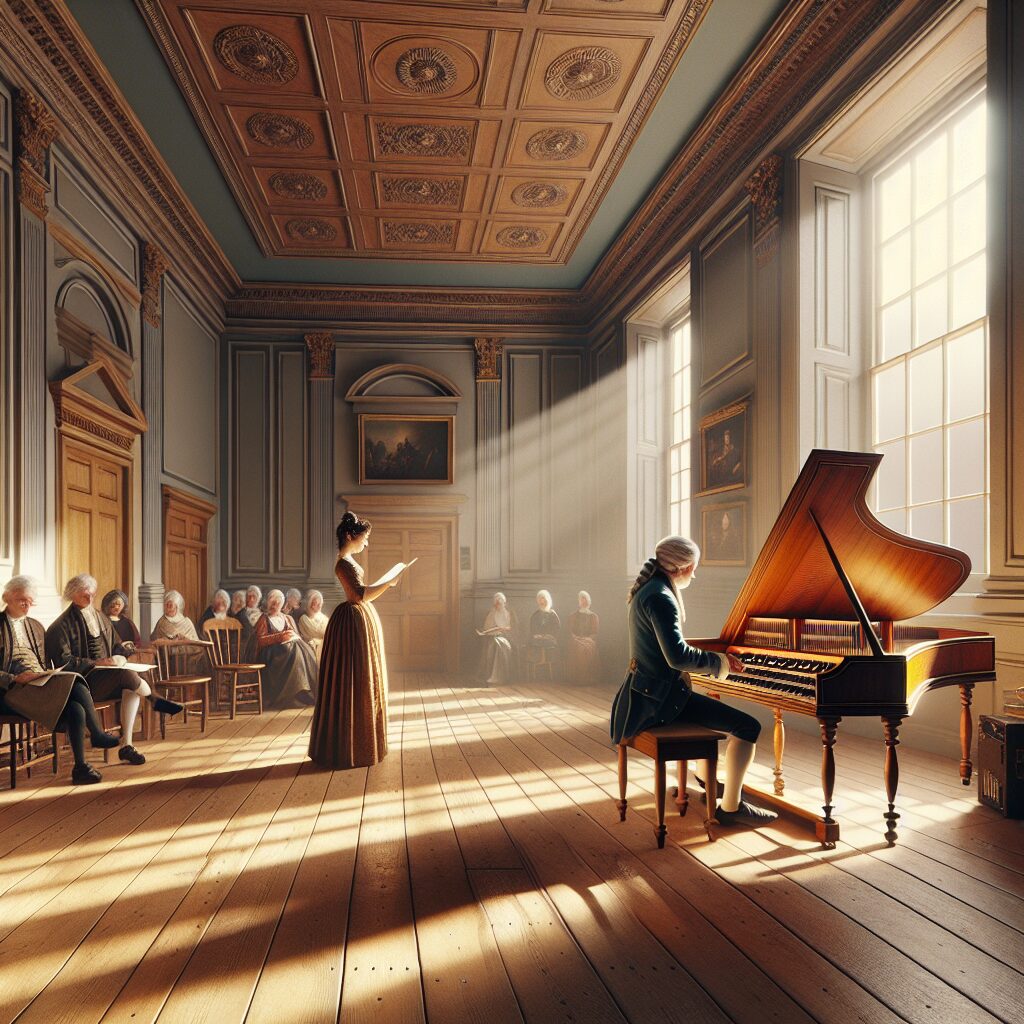
The museum spans two adjoining houses—Handel’s at No. 25 and Hendrix’s at No. 23—but classical visitors tend to linger with Handel. The interiors have been restored to Georgian simplicity—plain panelling, sparse furnishings—because original décor was lost and has been carefully interpreted. On the first floor, the Rehearsal and Performance Room presents a double‑manual harpsichord, a modern reproduction in the Ruckers tradition, used for demonstrations and concerts. Volunteers add context; programming often includes brief “live music” sessions within admission.
Across the corridor, the Composition Room evokes the site where much of Handel’s writing was done, with portraits—Charles Jennens beside the composer—a nod to the Messiah partnership. Displays rotate for conservation, drawing on the Byrne Collection, which includes correspondence, manuscripts, early editions, and a rare contemporaneous biography annotated by Jennens. Some days you may meet a page of Handel’s hand; other days, letters negotiating concerts. Either way, the documentary trail remains close.
Upstairs, Handel’s Bedroom—where he died on 14 April 1759—is arranged to match his estate inventory, with faithful reproductions where originals don’t survive. Nearby rooms, including a newly restored kitchen on the lower ground floor, give a sense of the domestic rhythms beneath the music‑making—fires, cookware, and the business of a working home.
Next door, Hendrix’s 1969 flat offers an instructive contrast—psychedelic textiles, amps, records—and includes classical LPs that bridge the two artists’ London. Spend 15–20 minutes there; then return to Handel’s rooms if Baroque is your focus.

Enhance the visit with sound. Seek out the immersive Messiah experience—an installation that surrounds you with chorus and orchestra. For post‑visit listening: in the Rehearsal Room, imagine the Hallelujah Chorus, then revisit a taut, text‑clear account such as John Eliot Gardiner’s 1982 recording—try 2:40–3:10 for trumpets and chorus in full cry. In the Composition Room, cue Trevor Pinnock’s 1985 Air and Variations (“The Harmonious Blacksmith”): around 0:30 the detached articulation speaks like struck metal. For lyrical poise, listen to Cecilia Bartoli’s 1999 “Lascia ch’io pianga” and note the ornament on the repeat at roughly 1:20. Hearing these with the rooms in mind deepens both history and practice.
Plan your visit — transport, opening times, tickets, accessibility (last checked: 2025‑10‑13)
You surface at Bond Street into the bustle, then into Mayfair’s calmer grid. Tip: settle logistics first, enjoy the house second.
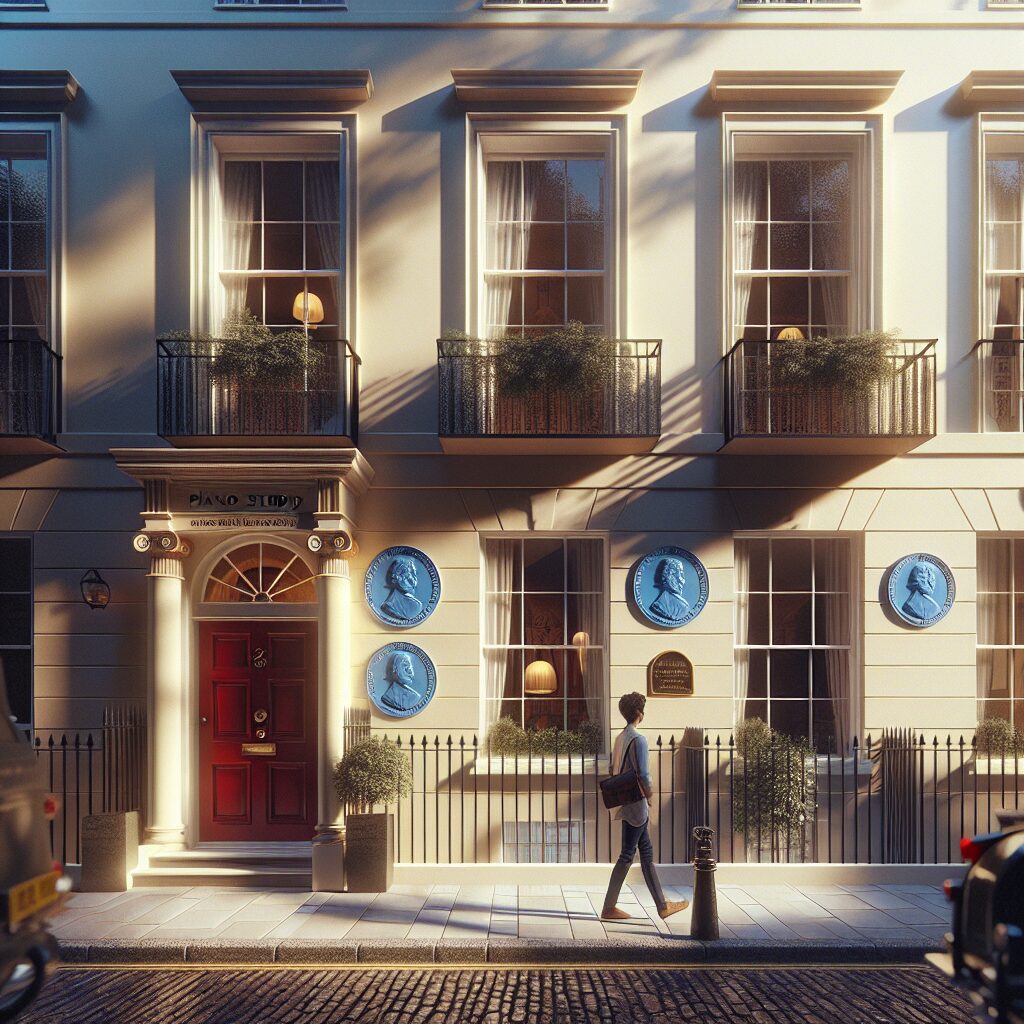
- Location: Handel & Hendrix in London, 25 Brook Street, Mayfair, London W1K 4HB. Look for the blue plaque and red door. Step‑free entrance.
- Opening times: Wed–Sun 10:00–17:00; last admission 16:00. Closed Mon–Tue. A full visit (both houses) takes ~60–90 minutes.
- Tickets: Adult £14.50; concessions: students £10.50; youth 13–17 £5; under‑13 free with family; carers free. Groups of 10–20 receive 10% off; larger groups by arrangement. National Art Pass and Historic Houses members: free entry on presentation. Advance online booking recommended for weekends and events.
- Guided talks & events: Weekly Thursday talks (2 pm), Saturday music sessions, and occasional evening concerts in the historic rooms. These may require separate tickets; popular dates sell out—book ahead if a concert coincides with your visit.
- Getting there: Tube: Bond Street (Central/Jubilee/Elizabeth lines), ~5 minutes, step‑free via lifts (use Davies Street exit). Oxford Circus (Central/Victoria/Bakerloo), ~5 minutes, no lift. Bus: Oxford Street services (e.g. 7, 98, 73, 390) to New Bond Street stops. Car: Congestion zone; no on‑site parking. Limited Blue Badge bays on nearby streets; public car parks on Oxford Street/Grosvenor Hill.
- Accessibility: Fully accessible with step‑free entrance and lift to all public floors; accessible WC near the shop. Lighting is low in places; floors are uneven. Assistance dogs welcome.
- Facilities: No large luggage; free lockers for small bags/coats. Personal photography without flash usually allowed—follow signage. No café on‑site; numerous cafés nearby. WCs at reception.
- Virtual visit: A 360° virtual tour and audio clips are available via the museum’s site—useful as preview or follow‑up (last checked: 2025‑10‑13).
For step‑free journey planning, see Transport for London’s guidance before you travel.
Practice routines inspired by Handel — Seven time‑boxed drills for adult pianists
Evening at the piano, the rooms still in mind. Use that spark to sharpen habits. Each drill below translates Handel’s world—harpsichord, clavichord, singer‑led phrasing—into modern technique. Pick one or two per day.
Harpsichord Articulation — Goal: Crisp, clear tone • Time: 10 min • Steps • Success check
Steps: Play a one‑octave scale and arpeggio in each hand without pedal, detached like a harpsichord. Repeat twice: first slowly for evenness, then slightly faster while keeping notes short and equal.
Success check: Every note speaks evenly with audible gaps—bright and percussive, never blurred. This builds finger‑led clarity, echoing a pedal‑less instrument.
Clavichord pianissimo — Goal: Control at soft dynamics • Time: 5 min • Steps • Success check
Steps: Choose an 8‑bar phrase and play at ppp, as if on a clavichord. Keep the hand relaxed; listen closely to each attack. Repeat to mf, preserving evenness.
Success check: The whisper level remains even and continuous—no dropped notes. Developing quiet control improves all‑round touch.
Baroque Trill Drill — Goal: Even ornaments • Time: 5 min • Steps • Success check
Steps: Alternate a main note and upper neighbour (e.g. E–F–E–F). Start with four clear alternations in rhythm; increase speed to a one‑beat trill. Practise both hands; try starting on the upper note—stylistically common.
Success check: A smooth, even flutter with no unintended accents or slow‑downs. Apply to a sustained note in a Handel sarabande once secure.
Continuous Chords (Basso Continuo Basics) — Goal: Smooth harmony changes • Time: 10 min • Steps • Success check
Steps: In several keys, play I–V–I. Hold root‑position chords in the left hand while the right plays a short melody or broken pattern. Use inversions to keep voice‑leading close and legato.
Success check: Seamless switches with no gaps; the harmony sustains like an organ. This steadies coordination and strengthens harmonic awareness.
Steady Minuet Steps — Goal: Stable rhythm & tempo • Time: 5 min • Steps • Success check
Steps: Take a dance‑like passage. Practise with a metronome (e.g. ♩=60), slightly weight the downbeats (think 1‑2‑3). Switch the click off, keep the internal pulse, then check back in time with the metronome.
Success check: You remain in time without rush or drag; re‑checking shows alignment. A direct rehearsal tool from Handel’s ensemble discipline.
Singing Phrase, No Breathing — Goal: Lyrical phrasing • Time: 10 min • Steps • Success check
Steps: Choose a cantabile line (e.g. “Ombra mai fù”). Shape it like a singer: finger legato, minimal pedal, natural rise and fall, subtle crescendo up and diminuendo down. Breathe where a vocalist would and lift gently.
Success check: Phrases span a “single breath”—a clear start, apex and release. Record yourself; it should sound vocal without words.
Ornament & Variate — Goal: Creative flexibility • Time: 10 min • Steps • Success check
Steps: Take an eight‑bar repeat. First play as written; on the repeat add one or two tasteful touches: a mordent, a passing tone, or a light bass octave. Keep it stylistic and in tempo.
Success check: The embellished version remains coherent and clearly related to the original—no clutter, no derailment. This builds confidence and the habit of tasteful spontaneity.
Quick Mayfair music walk — 20–30 minutes nearby
Step out of 25 Brook Street and glance at the twin blue plaques—Handel and Hendrix, neighbours across centuries. Then turn towards St George’s, Hanover Square (about three minutes). This was Handel’s parish church, still prized for its acoustics and a focal point for springtime Handel programming. Stand by the organ loft and imagine charity concerts and later commemorations echoing here.
Stroll on to Hanover Square, once a promenade for assemblies. Picture late‑Georgian Londoners humming choruses as they dispersed. If time allows, extend to Wigmore Hall (around ten minutes north across Oxford Street) for an evening recital—a modern complement to a Baroque afternoon.
How WKMT helps — lesson packages, guided‑visit add‑ons and booking CTA
Inspiration is strongest when it becomes routine. WKMT’s London studios specialise in adult learners, translating historical insight into practical technique: ornaments that speak, articulation without pedal, and singer‑led phrasing that clarifies line.
Our teachers—including early‑music enthusiasts—set concise weekly tasks and align pieces with context. Fresh from Handel House, we might choose a sarabande, discuss its dance character and da capo practice, then coach your execution step by step. Lessons run seven days a week in Kensington, Bermondsey, and Camberwell, or online.
Ready to turn a visit into progress?
Book a trial piano lessons with us and explore our combined lesson + guided‑visit option. Meet the team, share your goals, and we’ll craft a plan that fits your diary.
FAQs and Sources
Q: What are the opening times for Handel House today?
A: Wednesday–Sunday, 10:00–17:00 (last entry 16:00); closed Monday–Tuesday. Check the official site for holiday variations (last checked: 2025‑10‑13).
Q: Does Handel House host concerts or Handel‑related events in 2025?
A: Yes. The museum runs weekly talks, included‑with‑admission music sessions and occasional evening concerts in Handel’s rooms. St George’s, Hanover Square remains a key venue for the annual London Handel Festival each spring; consult both sites for current listings.
Q: Is the Handel & Hendrix House museum wheelchair accessible?
A: Yes. There is a step‑free entrance, an internal lift to all public floors, and an accessible WC near the shop. Bond Street Tube offers step‑free access via lifts.
Sources (last accessed October 2025):
- Handel & Hendrix in London — Official site: visitor info, history, events.
- Handel Hendrix House — Wikipedia background and restoration notes [2].
- Handel House Museum — “Visit Us” page: opening hours, tickets, access.
- London Handel Festival — 2024–2025 programmes and Mayfair concerts.
- English National Opera — “Beginner’s Guide to Handel” (context on Handel’s London) [1].
- Transport for London — Step‑Free Access Guide for journey planning.
- WKMT — Adult piano lessons and booking information.